Shrimp Farmer
a guide to: Career
What is Shrimp Farmer?
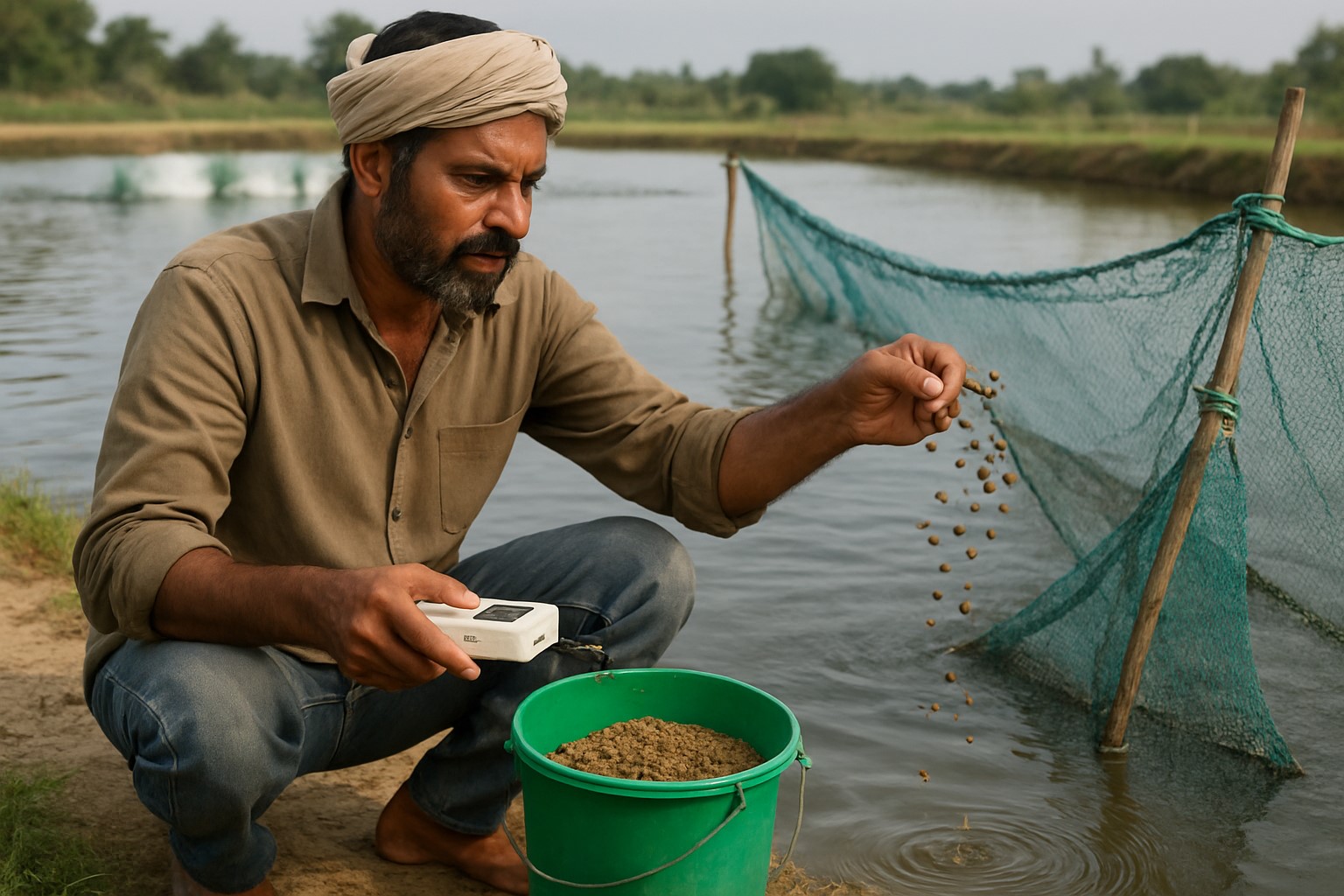
Shrimp farmers cultivate shrimp in controlled aquatic environments. They manage pond conditions, feed the shrimp, monitor their health, and harvest them for sale. This involves maintaining water quality, preventing disease outbreaks, and adhering to sustainable aquaculture practices to ensure a profitable and environmentally responsible operation.
Why is Shrimp Farmer Important?
Shrimp farmers play a crucial role in aquaculture by producing high-demand seafood, boosting local economies, and ensuring sustainable practices in shrimp farming. They help meet global seafood consumption needs while managing environmental impact.
- Global Seafood Supply:
- Shrimp farming contributes significantly to global seafood production.
- Economic Impact:
- Provides employment and boosts local economies, especially in coastal regions.
- Sustainability:
- Promotes responsible farming practices to minimize environmental damage.
- Market Demand:
- Shrimp farming meets increasing global consumer demand for shrimp.

Education Pathways
Option 01
Option 02
Option 03
Stream

Important Subjects
| # | Subject |
|---|---|
| 1 | Shrimp Biology: Understanding shrimp anatomy, life cycles, and growth patterns. |
| 2 | Water Quality Management: Crucial for maintaining optimal conditions in ponds. |
| 3 | Pond Construction and Management: Designing, preparing, and maintaining shrimp ponds. |
| 4 | Nutrition and Feeding: Providing the right feed for healthy shrimp growth. |
| 5 | Disease Management: Preventing, diagnosing, and treating shrimp diseases. |
| 6 | Shrimp Breeding and Genetics: Improving shrimp stocks through selective breeding. |
| 7 | Environmental Sustainability: Minimizing the environmental impact of shrimp farming. |
| 8 | Harvesting and Post-Harvest Handling: Ensuring quality and freshness of harvested shrimp. |
| 9 | Farm Management and Economics: Planning, budgeting, and running a shrimp farm efficiently. |
| 10 | Regulations and Compliance: Adhering to laws and standards related to shrimp farming. |
| 11 | Marketing and Sales: Finding buyers and selling shrimp effectively. |
| 12 | Technology and Innovation: Staying updated with new technologies and best practices. |
Where to study?
Career Progression for a Shrimp Farmer
Entry-Level Positions
Job Role:
- Shrimp Farm Technician
- Junior Aquaculture Worker
- Hatchery Assistant
Education Required:
- Diploma or Bachelor's degree in Aquaculture, Fisheries Science, or Marine Biology.
Mid-Level Positions:
Job Role:
- Shrimp Farm Manager
- Aquaculture Supervisor
- Hatchery Manager
Education Required:
- Bachelor’s degree in Aquaculture/Fisheries Science or a related field. A Master's degree in Aquaculture or Fisheries Management is beneficial for higher roles.
Senior-Level Positions:
Job Role:
- Senior Shrimp Farm Manager
- Aquaculture Consultant
- Shrimp Farming Operations Director
Education Required:
- Master’s degree in Aquaculture, Fisheries Science, or related fields. Advanced certification in sustainable farming or business management can be beneficial.
Executive/Consultant Roles:
Job Role:
- Aquaculture Consultant
- Global Shrimp Farming Expert
- Director of Aquaculture
- Shrimp Farming Business Owner
Education Required:
- Master’s degree or Ph.D. in Aquaculture, Fisheries, or Marine Biology. Specialized certifications in sustainable farming, project management, or business leadership can be helpful.
Expected Salary
Entry-Level
- ₹2.5 - ₹4 LPA
Mid-Level
- ₹5 - ₹10 LPA
Senior-Level
- ₹12 - ₹20 LPA
Advanced-Level
- ₹25 - ₹50 LPA
International
Entry Level
- $15,000 - $30,000 per annum
Mid/Senior Level
- $30,000 - $120,000 per annum
Sectors Offering
- Aquaculture and Fisheries Industry
- Hatchery and Breeding Programs
- Seafood Processing and Export
- Aquaculture Equipment and Technology
- Sustainable and Organic Aquaculture
- Research and Development (R&D)
- Government and Regulatory Bodies
- Consulting and Advisory Services
- Coastal and Marine Ecosystem Management
- International Trade and Export
- Aquaculture Education and Training
- Biotechnology and Genetic Engineering
Design by Find Right Path