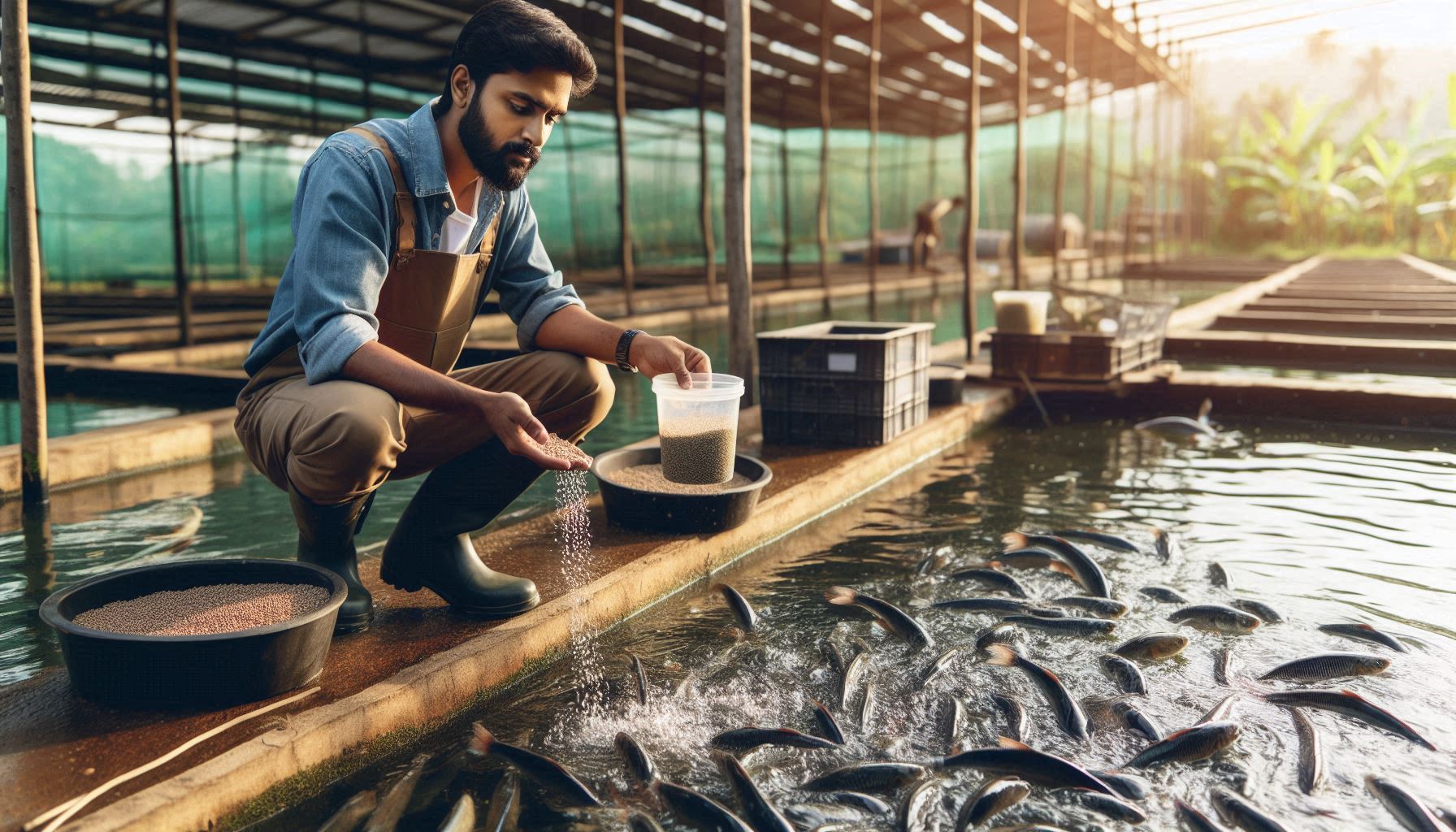
Pisciculturist
a guide to: Career
What is Pisciculturist?
A pisciculturist specializes in the breeding, rearing, and management of fish for commercial, recreational, or conservation purposes. They monitor water quality, manage fish health, and ensure optimal growth conditions. Pisciculturists work in aquaculture farms, fisheries, and environmental conservation to promote sustainable fish production.
Why is Pisciculturist Important?
Pisciculturists are crucial for food security and economic growth. They sustainably raise fish, reducing pressure on wild fish stocks and providing a vital protein source. Their expertise improves aquaculture practices, benefiting both consumers and the environment.
- Promotes sustainable fish farming:
- Ensures eco-friendly and efficient aquaculture practices.
- Supports food security:
- Contributes to global fish supply for human consumption.
- Maintains fish health:
- Monitors and improves fish welfare in aquatic environments.
- Enhances biodiversity:
- Works in conservation and habitat management of aquatic species.

Education Pathways
Option 01
Option 02
Option 03
Stream

Important Subjects
| # | Subject |
|---|---|
| 1 | Fish Biology: Understanding fish anatomy, physiology, and behavior. |
| 2 | Aquaculture: Principles and practices of fish farming. |
| 3 | Fish Nutrition: Formulating and providing optimal fish diets. |
| 4 | Water Quality Management: Maintaining suitable water conditions for fish. |
| 5 | Fish Health Management: Preventing and treating fish diseases. |
| 6 | Fish Breeding & Genetics: Improving fish stocks through selective breeding. |
| 7 | Fish Culture Systems: Designing and managing different aquaculture systems. |
| 8 | Fish Processing & Preservation: Handling and preserving harvested fish. |
| 9 | Aquaculture Engineering: Designing and constructing aquaculture facilities. |
| 10 | Economics of Aquaculture: Understanding the business aspects of fish farming. |
| 11 | Environmental Impacts of Aquaculture: Minimizing the ecological footprint. |
| 12 | Fish Laws & Regulations: Adhering to legal frameworks for aquaculture. |
Where to study?
Career Progression for a Pisciculturist
Entry-Level Pisciculturist/Technician
Job Role:
- Assisting with daily tasks like feeding, water quality monitoring, and general fish care in a fish farm or hatchery.
Education Required:
- Diploma/Certificate in Fisheries Science or related field, or a Bachelor's degree in Fisheries Science/Aquaculture.
Pisciculturist/Farm Manager
Job Role:
- Managing specific aspects of a fish farm, such as breeding, feed management, or disease control. May supervise junior staff.
Education Required:
- Bachelor's degree in Fisheries Science/Aquaculture is typically required.
Senior Pisciculturist/Hatchery Manager
Job Role:
- Overseeing the entire operation of a fish farm or hatchery, including production planning, budget management, and staff supervision.
Education Required:
- Bachelor's degree with several years of experience, or a Master's degree can be advantageous.
Aquaculture Consultant/Specialist
Job Role:
- Providing expert advice on fish farm design, management, and disease control. May work for a consulting firm or independently.
Education Required:
- Master's degree in Aquaculture or a related field is often preferred.
Research Scientist/Professor
Job Role:
- Conducting research on fish breeding, nutrition, or disease, or teaching aquaculture at a university level.
Education Required:
- A PhD in Fisheries Science/Aquaculture or a related field is essential.
Expected Salary
Entry-Level
- ₹2.0 – ₹4.0 LPA
Mid-Level
- ₹4.0– ₹12.0 LPA
Senior-Level
- ₹12.0 – ₹20.0 LPA
Advanced-Level
- ₹10.0 – ₹25.0 LPA
International
Entry Level
- $20,000 – $30,000 per annum
Mid/Senior Level
- $30,000 – $90,000 per annum
Sectors Offering
- Fish Production
- Hatchery and Seed Production
- Fish Health and Nutrition
- Aquaculture Engineering and Technology
- Aquaculture Management and Consultancy
- Research and Development
- Fish Processing and Marketing
- Aquaculture Equipment and Supplies
Design by Find Right Path